There is a specific kind of "in-between" that happens in your late teens and early twenties. It is a season defined by expansion, leaving home, starting college, navigating first "real" jobs, and beginning to understand who you are outside of the structures you grew up with. It is an exciting time, but it is also a period of profound neurological and hormonal transition.
For many young women and people assigned female at birth, this era also marks the beginning of a long-term relationship with birth control. Whether it’s started to manage painful cycles, clear up persistent skin concerns, or provide the peace of mind necessary to navigate new relationships, hormonal contraceptives are often presented as a simple, one-size-fits-all solution.
But what happens when the solution starts to feel like the problem?
At Liminal Women's Psychiatry & Wellness, we often hear from young women who feel like they’ve lost their "spark" or their "edge" after starting a new contraceptive method. They describe a subtle, unsettling shift, a cloudiness that wasn't there before, or a hair-trigger irritability that feels foreign to their personality. If you’ve found yourself wondering why you suddenly feel anxious, flat, or just not like you, it’s important to know that these feelings are valid, they are grounded in science, and you don’t have to just "deal with it."
The Invisible Connection: Your Brain and Your Cycle
To understand why birth control might be affecting your mood, we have to look at the beautiful, complex dance between your hormones and your brain. Your brain is essentially a giant switchboard for hormones, and it is particularly sensitive during your teens and early twenties because it is still undergoing significant development. The prefrontal cortex, the part of the brain responsible for complex decision-making and emotional regulation, doesn't fully "plug in" until your mid-twenties.
When you introduce synthetic hormones into this developing system, they don’t just stay in your reproductive organs. They travel through your bloodstream and cross the blood-brain barrier.
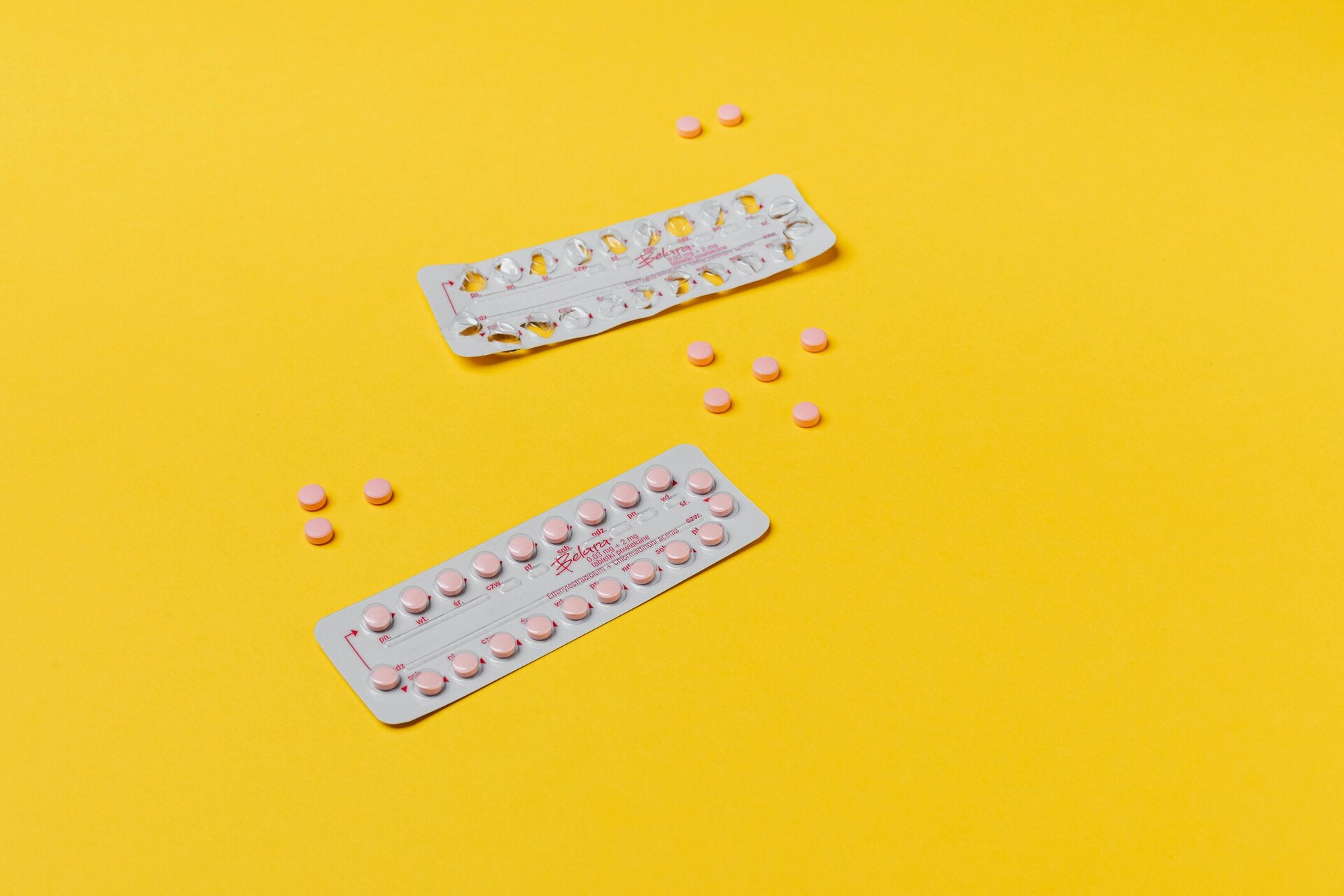
Research shows that hormonal contraceptives can influence the levels of neurotransmitters like serotonin and dopamine, the chemicals responsible for keeping your mood stable and helping you feel pleasure. In some people, synthetic progestins (the man-made version of progesterone found in many pills and IUDs) can lead to a dip in these "feel-good" chemicals. For others, the way birth control alters the body’s stress response can make everyday challenges feel much more overwhelming. It’s as if the volume on your emotions has been turned up too high, or, conversely, completely muted.
When "Normal" Doesn't Feel Right
In the medical world, mood changes are often listed as a "minor" side effect of birth control. But there is nothing minor about feeling like a stranger in your own mind.
We see many young women who struggle with what we call "sub-clinical" symptoms. You might not meet the full criteria for a depressive disorder, but you notice a persistent "grayness" in your days. Maybe you’re more tearful during commercials, or you find yourself snapping at your partner or roommates over things that wouldn't have bothered you six months ago.
These shifts can be difficult to name. You might tell yourself you’re just stressed with school, or that you’re being "dramatic." But the transition into adulthood is hard enough without having to fight your own chemistry. Acknowledging that your birth control might be playing a role isn't a sign of weakness; it’s a vital step toward regaining your emotional balance.
Why Your Friend Loves Her Pill (And You Hate Yours)
One of the most frustrating aspects of the "birth control conversation" is how differently everyone reacts. You might have a friend who swears her skin cleared up and her mood stabilized on the exact same pill that makes you feel like you’re walking through waist-deep water.
This happens because every brain is thoughtfully individualized. Factors like your genetic makeup, your personal history with mental health, and even your daily stress levels influence how synthetic hormones interact with your system. Some people are "hormonally sensitive", meaning even a tiny shift in hormone levels can trigger a significant emotional response.

If you have a history of PMS that felt particularly intense, or if you’ve struggled with anxiety in the past, you might be more prone to experiencing mood shifts on certain types of birth control. This doesn't mean you can’t use hormonal methods; it just means we need to be more precise and evidence-based in how we choose the right one for you.
Navigating the Healthcare System as a Young Adult
One of the biggest hurdles in this season of life is learning how to advocate for yourself in a clinical setting. It can be intimidating to tell a doctor that you want to switch methods, especially if they tell you that "the research is mixed" or that you just need to "give it another three months."
At Liminal, we believe in a partnership. Your lived experience is the most important data point we have. If you feel like your birth control is impacting your quality of life, that is enough of a reason to explore other options.
When you speak with a provider, it helps to come prepared with a few notes:
- The Timeline: When did you start the method, and when did you notice the mood shifts?
- The Specifics: Are you feeling anxious, "flat," irritable, or experiencing "brain fog"?
- The Impact: How is this affecting your classes, your work, or your relationships?
A grounding, supportive provider will listen to these concerns without judgment and help you navigate the "liminal" space between needing protection and needing to feel like yourself.
Finding Your Path Forward: Options and Alternatives
The good news is that we are living in an era where there are more choices than ever before. We don't have to settle for the first thing that was prescribed to us at sixteen.
Finding what works for your brain might involve a few different paths:
- Adjusting the Dose: Many modern birth control pills come in "low-dose" or "ultra-low-dose" formulations. Sometimes, simply lowering the amount of synthetic estrogen or progestin can lift the fog.
- Changing the Delivery Method: For some, the daily "spike" of a pill is what causes mood swings. Methods that provide a steady, low release of hormones, like certain hormonal IUDs or the vaginal ring, can sometimes be easier on the emotional landscape.
- Non-Hormonal Options: If your brain is exceptionally sensitive to synthetic hormones, you might find that a non-hormonal method, like the copper IUD or barrier methods combined with cycle tracking, allows you to feel the most like yourself.
- Addressing the Foundation: Sometimes, the birth control isn't the only factor. We look at the "full picture", your sleep, your nutrition, and your stress management, to see if we can support your brain health while you're on the pill.
Regaining Clarity and Balance
The transition into your twenties is meant to be a time of discovery, not a time of survival. If you feel like you’ve been sidelined by mood changes that you suspect are linked to your birth control, please know that you are heard.
At Liminal Women's Psychiatry & Wellness, we specialize in these "in-between" moments. We don't believe in quick fixes; we believe in a process of regaining clarity. Whether that means switching your contraceptive method, adding supportive therapies, or simply having a space where your symptoms are validated, we are here to provide a steady hand.
You deserve to navigate your early adulthood with a brain that feels like your own. The conversation about birth control is a big one, but it’s one we can have together, one step at a time, until you find the emotional balance you’ve been looking for.